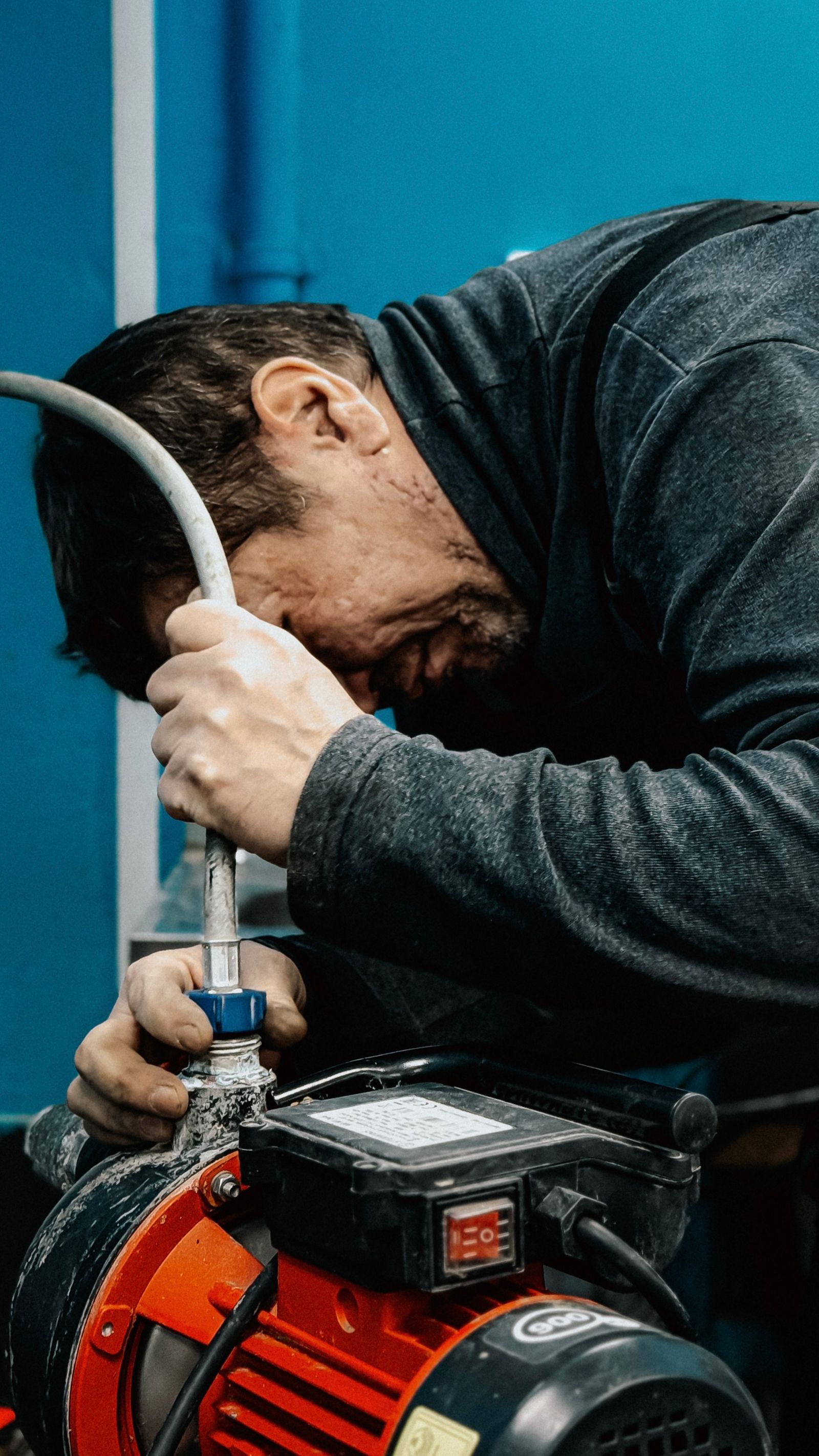
Water heater maintenance in Streamwood is worth thinking about because of the water itself. Treated Lake Michigan water here is moderately hard, so minerals build up inside tanks as sediment and inside tankless units as scale. Left alone, that build-up makes heaters noisier, slower and harder working. Maintenance can't make an old tank new, but it can keep a sound one working well.
What yearly water heater maintenance includes
A maintenance visit is mostly inspection, with a flush when it makes sense. The technician typically:
- Looks over the tank, connections and floor for leaks, rust and corrosion.
- Checks the gas burner, pilot and venting on gas units, or the elements and thermostats on electric units.
- Flushes sediment from the bottom of the tank through the drain valve.
- Checks the anode rod where it can be reached.
- Inspects the temperature and pressure relief valve and its discharge pipe.
- Checks for an expansion tank and whether it is doing its job.
- Confirms the temperature setting is sensible for the household.
How often a visit is worth doing depends on your water, the heater and how much hot water you use, so ask the pro what makes sense for yours.
Sediment in water heater tanks and hard-water scale
Sediment in water heater tanks is the most common thing a maintenance visit deals with. Minerals settle on the bottom, where they insulate the water from a gas burner or bury the lower element on an electric tank. Signs include rumbling or popping, slower recovery and hot water that runs out sooner.
A water heater flush drains water from the bottom of the tank to carry loose sediment out. On a younger tank that has been maintained, it helps. On an older tank that has never been flushed, sediment can be hard-packed, and opening a long-unused drain valve can cause it to leak, which is one reason the technician decides whether a flush is wise. If the heater is already making noise and you have no hot water or very little, start with that page.

That is often sediment. Ask whether a flush makes sense for your heater.
The anode rod: what it does and anode rod replacement
The anode rod is a metal rod inside the tank that corrodes on purpose, so the steel tank doesn't. Over time it gets used up. Once it is gone, the tank itself starts to corrode. Checking the anode, and anode rod replacement when it is worn, is one of the most useful things maintenance can do for a tank that is still in good shape.
A rotten-egg smell from the hot water can also be linked to the anode reacting with the water, and the tech can suggest a different anode type in that case. Getting an anode out takes the right tools and enough clearance above the tank, which can be tight in closet installs.
Relief valve and expansion tank checks by the technician
The temperature and pressure relief valve is a safety device and should be checked by the technician, not tested by homeowners. Older valves can stick or start to drip once disturbed, so the tech checks it and the discharge pipe carefully.
If the home has a check valve or pressure regulator on the main line, an expansion tank absorbs the water that expands as it heats. A failed expansion tank can cause the relief valve to drip. Whether your home needs one is a question for the pro, because requirements vary.
Tankless descaling
Tankless units don't collect sediment the same way, but scale builds inside their narrow heat exchanger passages. Descaling circulates a cleaning solution through the unit using its service valves, and the tech also cleans inlet screens and checks venting and the condensate line. See our tankless water heater page for more on how these units behave on hard water.
| Heater type | Main build-up | Maintenance focus |
|---|---|---|
| Gas tank | Sediment over the burner | Flush, anode, burner and venting |
| Electric tank | Sediment around the lower element | Flush, anode, elements and thermostats |
| Tankless | Scale in the heat exchanger | Descale, inlet screens, venting |
Maintenance in Streamwood homes
In the original east-side ranches, heaters usually sit in a main-floor closet, so a slow drip from a drain valve after a flush has nowhere to go; a drain pan helps. If you live there, see water heater repair in Woodland Heights. In the central part of the village, including the homes south of the golf course covered in water heater repair in Oak Knolls, clearances vary. West of Route 59, basement heaters are easier to reach but many were installed when the houses were built and have never been serviced.
When maintenance is no longer worth it
If the tank is leaking, rusting through or the anode has been gone for a long time, maintenance won't change the outcome, and the honest advice is to plan a replacement. If you are dealing with a leaking water heater, that page explains what to do now, and our water heater installation guide explains how a new one is chosen.
Signs your heater is overdue for service
A heater that needs attention usually tells you. Listen for rumbling or popping when the burner or elements run. Notice whether hot water runs out sooner than it did last year, or takes longer to come back. Look for rust-coloured hot water, a damp patch under the drain valve, or a relief valve pipe with water at its end. A rotten-egg smell from the hot taps only is another clue.
None of these mean the heater is finished, but each is a reason to book a visit before a small problem becomes a cold morning or a wet floor.
A visit is also a chance to ask questions about your setup: where the shut-off is, whether a pan or leak alarm makes sense, and what to watch for between visits.
Get an honest answer before you spend anything.
For an overview of every service, see water heater repair streamwood.