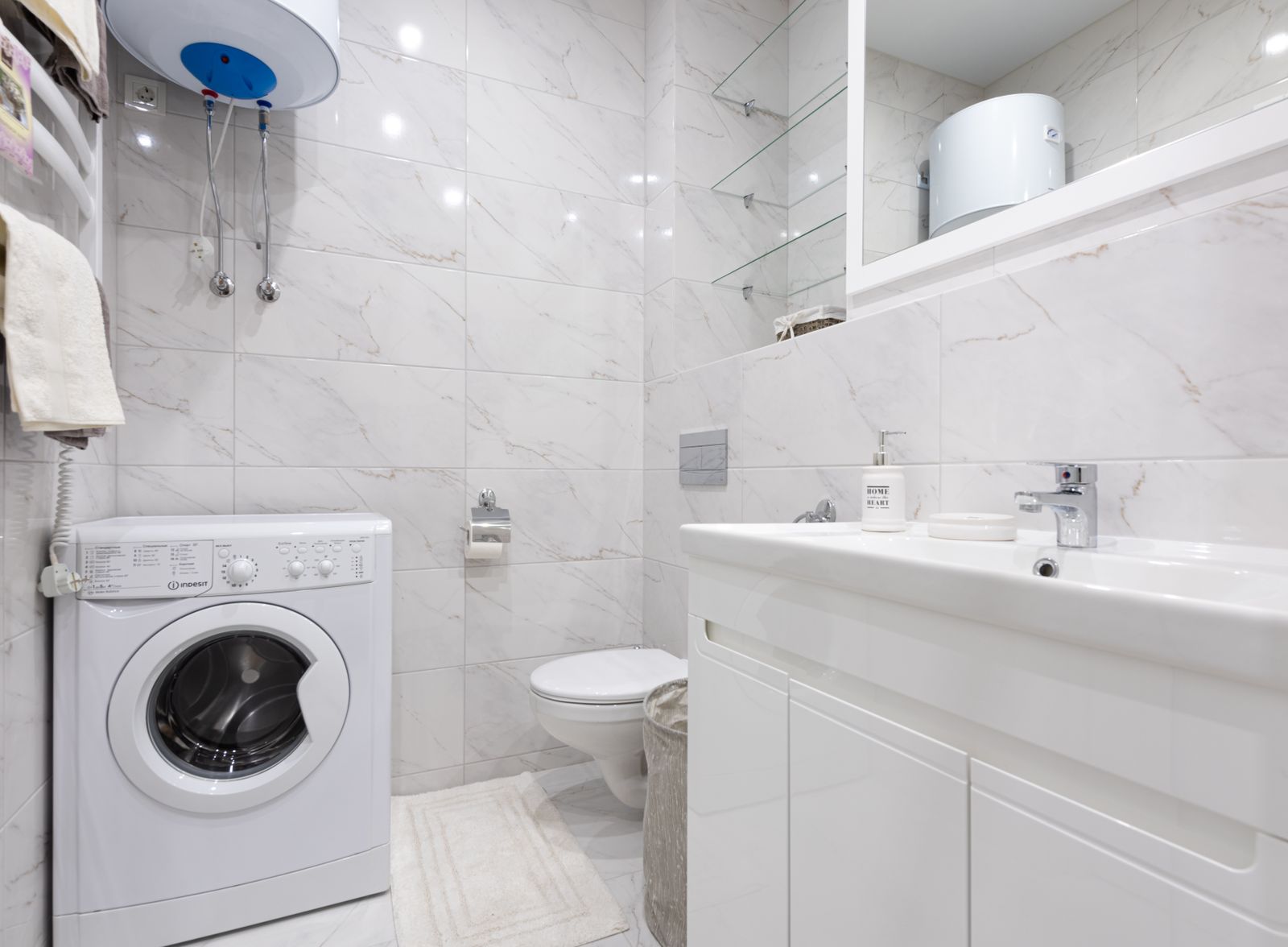
A tankless water heater in Streamwood can be a good upgrade, but only when the house is ready for it. This page explains how these units work, what a conversion from a tank involves, and what goes wrong with them once installed, so you can have a useful conversation with the pro you reach by phone.
The pro can handle tankless water heater installation, repair and yearly descaling, and they will tell you plainly when a conventional tank is the better choice for your home.
How a tankless heater works
A tank heater keeps a store of water hot all day. A tankless unit doesn't store water at all. When you open a hot tap, water flows through the unit, a flow sensor tells it to fire, and a gas burner or electric elements heat the water as it passes through a heat exchanger.
Because nothing is stored, you don't run out the way a tank does. The limit is flow instead: each unit can only heat so many gallons per minute to a given temperature. Run two showers and the dishwasher at once on an undersized unit, and the water cools. Cold Illinois winters make that limit tighter, because the incoming water starts colder and the unit has more heating to do.
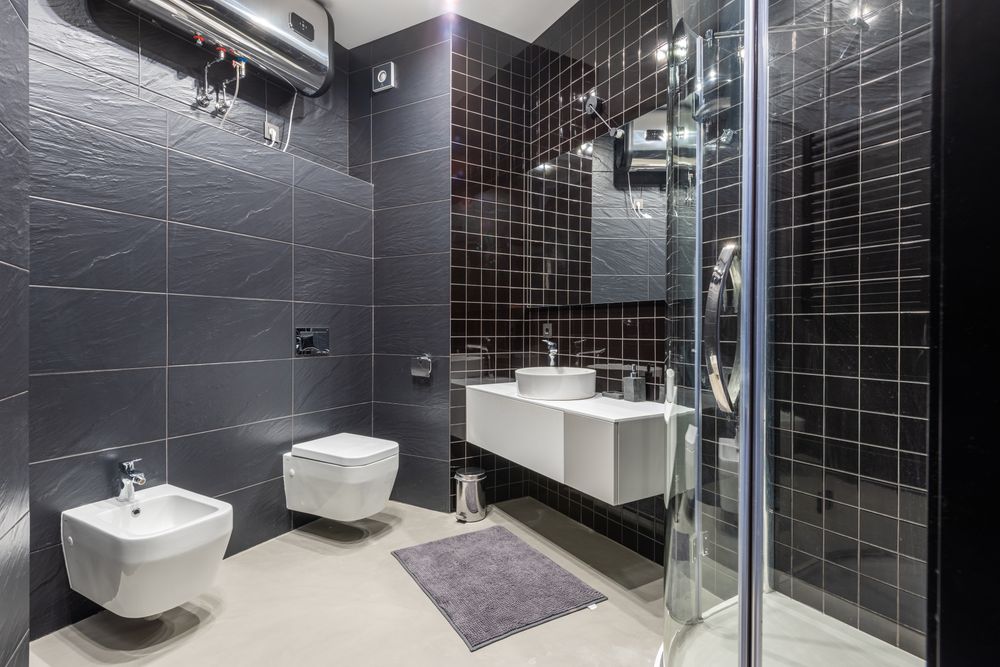
Is tankless a good fit for this home? Gas line, venting, power and flow
Most whole-house tankless units in Streamwood run on natural gas, and they need much more gas at full fire than a typical gas water heater with a tank. That is the first thing the pro looks at.
- Gas supply: the existing line to the old heater is often too small, so a larger line may need to run back toward the meter.
- Venting: gas tankless units need their own venting, usually through a side wall or roof with approved pipe. An old tank's flue usually can't be reused as it is.
- Power: even gas units need an electrical outlet for controls and fans.
- Flow: the unit is sized to how many fixtures you run at the same time and how cold the incoming water gets.
- Space: units are wall-mounted, which frees floor space in closets and basements.
In townhomes and condos the venting route is often the deciding factor. Our notes on water heater repair in Streamwood Green and water heater repair in Southgate Manor cover the closets and utility rooms in those central areas.
The pro can tell you what to check before you spend anything.
Tank to tankless conversion: what changes
A tank to tankless conversion is a bigger job than swapping one tank for another. The old tank is drained and removed. The new unit is mounted on a wall, often near where the tank stood. Water connections are re-plumbed, isolation valves are commonly added so the unit can be flushed later, a larger gas line may be run, and new venting goes in. A condensate drain is needed for condensing models.
Permits and inspection requirements vary, so ask the pro what applies to your job. Before any work, you are given the options and the upfront price, including anything the house needs to make the conversion work.
Tankless water heater repair: error codes, scale and ignition
Tankless units report problems with error codes on a small display. The code is a starting point, not a diagnosis, and the same code can have more than one cause. Common trouble on gas units includes:
- Ignition failure, where the unit tries to fire and gives up, often linked to gas supply, a dirty flame sensor or venting.
- Flame loss partway through a shower.
- Overheating codes caused by scale on the heat exchanger restricting flow.
- Low-flow problems where the unit doesn't fire for a low-volume tap, often from a clogged inlet screen.
None of these are DIY jobs. The internals involve gas, high voltage and combustion, so leave the cover on and let the technician do the diagnosis. If the unit is fine but hot water is still missing, our no hot water guide covers other causes in the home.
| Symptom | Often linked to | What the tech checks |
|---|---|---|
| Hot then cold bursts | Low flow, scale, mixing valve | Inlet screen, flow sensor, fixtures |
| Won't fire | Gas supply, ignition, venting | Gas pressure, igniter, flame sensor, vent |
| Weak hot water | Undersized unit, scale | Sizing, heat exchanger condition |
| Water at the unit | Fittings, valves, condensate | Connections, relief valve, drain line |
Descaling and yearly care on moderately hard water
Streamwood's treated Lake Michigan water is moderately hard. In a tank, minerals settle as sediment. In a tankless unit, they build up as scale inside the narrow passages of the heat exchanger, which can lead to noise, overheating codes and reduced output.
Descaling is done by circulating a cleaning solution through the unit using the isolation valves. The technician also cleans inlet screens and checks venting and the condensate line. How often your unit needs it depends on use and water conditions, so ask the pro what makes sense for your home. Regular water heater maintenance covers tanks too.
Tank vs tankless, honestly
Tankless is not automatically better. It saves floor space and doesn't run out the way a tank does, but it costs more to install, depends on adequate gas supply and venting, and needs regular descaling on harder water. A well-sized tank is simpler and can still be the right answer. If your tank is currently a leaking water heater, the pro can quote both options side by side so you can compare.
Homes vary across Streamwood, from slab ranches with closet heaters on the east side to basements west of Route 59. That is why the conversation starts with your house, not a brochure. For an overview of every service, see water heater repair streamwood.
Write the code down and call. It helps the tech arrive prepared.