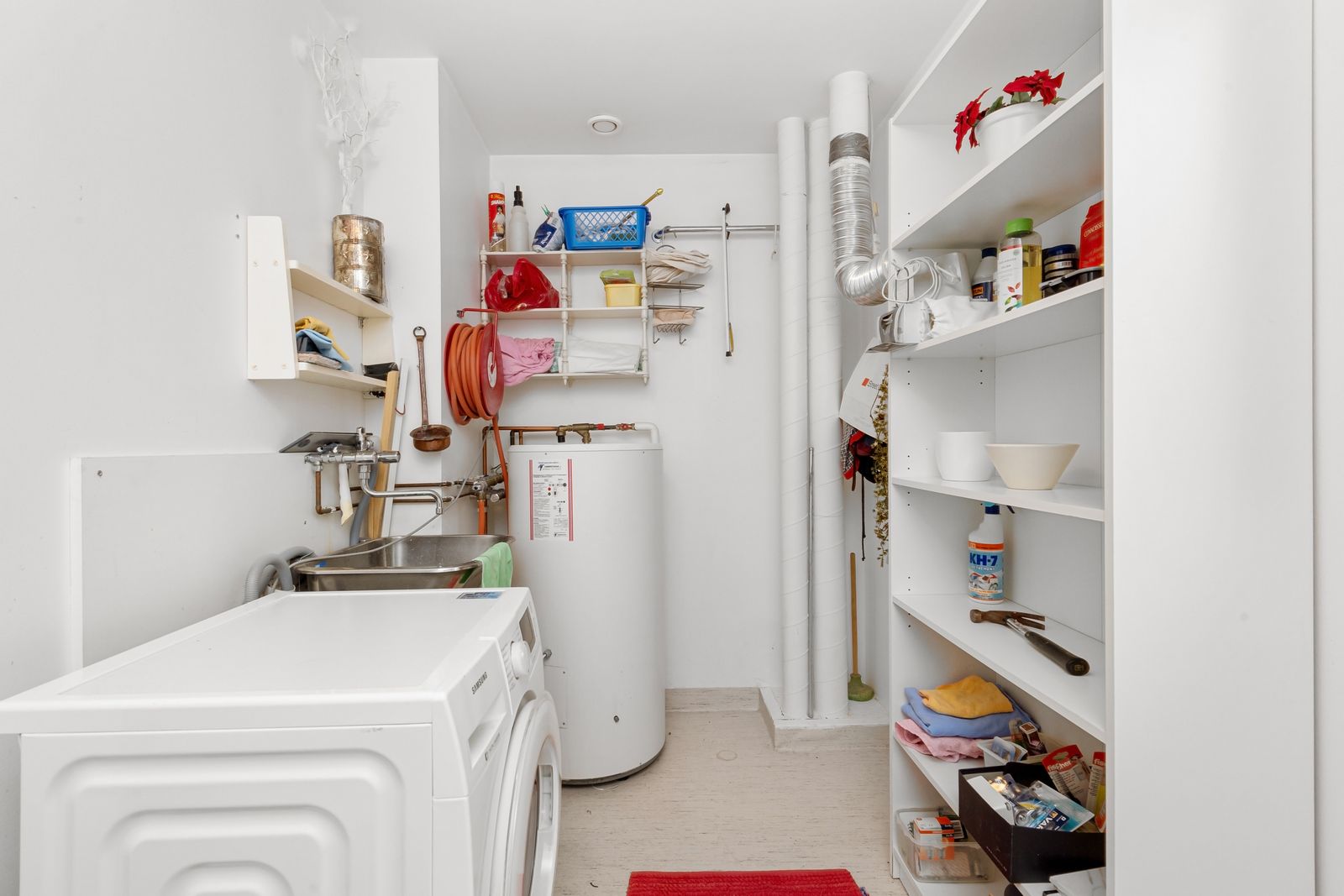
Water heater installation in Streamwood usually happens for one of two reasons: the old tank has failed, or it is getting old enough that you would rather replace it on your own schedule. Either way, the goal is the same. You want a heater that keeps up with your mornings, fits the space it has to live in, and is connected properly.
Whether you call it a new water heater install or a replacement, the local pro you reach through this site handles the whole job: helping you choose, removing the old unit, setting the new one, making the water, gas or electrical and venting connections, and testing it before they leave. You hear the options and the upfront price for each one before any work begins.
Water heater sizing for your household
Size is not just about the number on the tank. A heater that is too small runs out halfway through the second shower. One that is much bigger than you need costs more to buy and keeps extra water hot all day.
The tech asks practical questions. How many people shower in the morning, and at the same time? Do you run the dishwasher or laundry while someone is in the shower? Is there a large soaking tub? Has the household grown since the last heater went in? From those answers they look at two numbers on any heater you are considering: the first-hour rating, which describes how much hot water it can deliver in a busy hour, and the recovery rate, which describes how quickly it reheats.
If the current heater has been running out, the right replacement may be the same size with a better recovery rate rather than simply a bigger tank. The pro will explain the trade-off for your home.
Calling early gives you time to compare options instead of buying in a hurry.
Gas, electric, heat-pump or tankless: choosing the right type
Most Streamwood homes heat water with natural gas, and replacing a gas tank with another gas tank is the most common job. It is not the only option.
| Type | Usually a good fit when | Things the pro checks |
|---|---|---|
| Gas tank | The home already has gas to the heater and a working vent | Vent condition, draft, gas line, clearances |
| Electric tank | There is no gas at the location, or the home is all electric | Circuit capacity, recovery for your household |
| Heat-pump (hybrid) | Replacing electric, with room and air around the unit | Space, airflow, condensate drain, noise near bedrooms |
| Tankless | You want on-demand hot water and a smaller footprint | Gas line size, venting route, water flow, scale |
Switching types changes more than the box on the floor. Going from a tank to a tankless water heater can mean a larger gas line and new venting. Going from gas to electric can need a new circuit, which is electrician work. The tech will tell you which changes your home would need before you commit.
Expansion tank installation, venting and drain pans
Several small parts make a big difference to how a new heater behaves.
An expansion tank gives heated water somewhere to go as it expands. Many homes have a check valve or pressure regulator on the main line that stops water from pushing back into the supply, and without an expansion tank that extra pressure has nowhere to go. Whether your home needs one, and what is required, is something to ask the pro about, because requirements vary.
Venting matters for every gas heater. A standard atmospheric heater relies on hot exhaust rising up the flue, so the vent has to be the right size, pitched correctly and in good shape. Power-vent and direct-vent models use a fan or a sealed intake and can be vented through a side wall, which sometimes helps when the old chimney route is a problem.
A drain pan under the heater, piped to a safe spot, protects floors and ceilings below. In a main-floor closet or a condo above another unit, that pan can save a lot of grief.

What happens on installation day
On the day, the tech protects the floor and path, shuts off water and the fuel supply to the old heater, drains it and disconnects it. The new heater is set in place, often on a stand or pan, and the water lines, fuel connection and venting are made. The tank is filled and air is bled from the lines before the heater is turned on.
Then comes testing: checking connections for leaks, confirming the burner or elements fire correctly, checking draft on gas units and making sure the temperature and pressure relief valve has a proper discharge pipe. You are shown the shut-off valve and the controls before the tech leaves. If you want the old unit taken away, ask when you call so it is included in the quote.
Permits and inspections: ask the pro
Rules on permits and inspections for water heater work vary, and they can change. Rather than guess, ask the pro on the call whether your job needs one and who arranges it. A straight answer to that question is part of what you should expect.
Fitting a new heater in a Streamwood garage, closet, basement or attic
Where the heater lives in your home shapes the whole job.
In the original east-side ranches from the late 1950s into the 1970s, many homes have no basement, so the heater usually sits in a main-floor utility or laundry closet. Clearances are tight, doors may need to come off, and a new tank must be about the same footprint or the closet has to be reworked. If you live in one of these homes, see our notes on water heater repair in Woodland Heights.
In the central townhome and condo areas, the heater is often in a small utility room with shared walls and sometimes a unit below. Venting routes are fixed and a drain pan is especially worthwhile.
In the two-story homes west of Route 59, the heater usually sits in the basement beside the furnace. Access is easier, but the gas heater may share a vent with the furnace, which the tech checks carefully when the heater is replaced. South of the golf course the mix is wider; our page on water heater repair in Oak Knolls covers that area.
A few homes put the heater in an attached garage or, rarely, an attic. Both raise their own questions about protection from damage, freezing and leaks, and the pro will talk you through them.
When a repair makes more sense than a new heater
Not every problem calls for a new unit. A heater that is still fairly young with a failed thermostat or element, a worn thermocouple or a faulty gas control can often be repaired. If what you have is a leaking water heater with water coming from the tank body, replacement is the honest answer. If you simply have no hot water this morning, start there: the tech will diagnose before recommending anything.
Describe the space on the phone and the tech will tell you what to check.
Not sure which page fits? Go back to the water heater repair streamwood overview to see every service in one place.