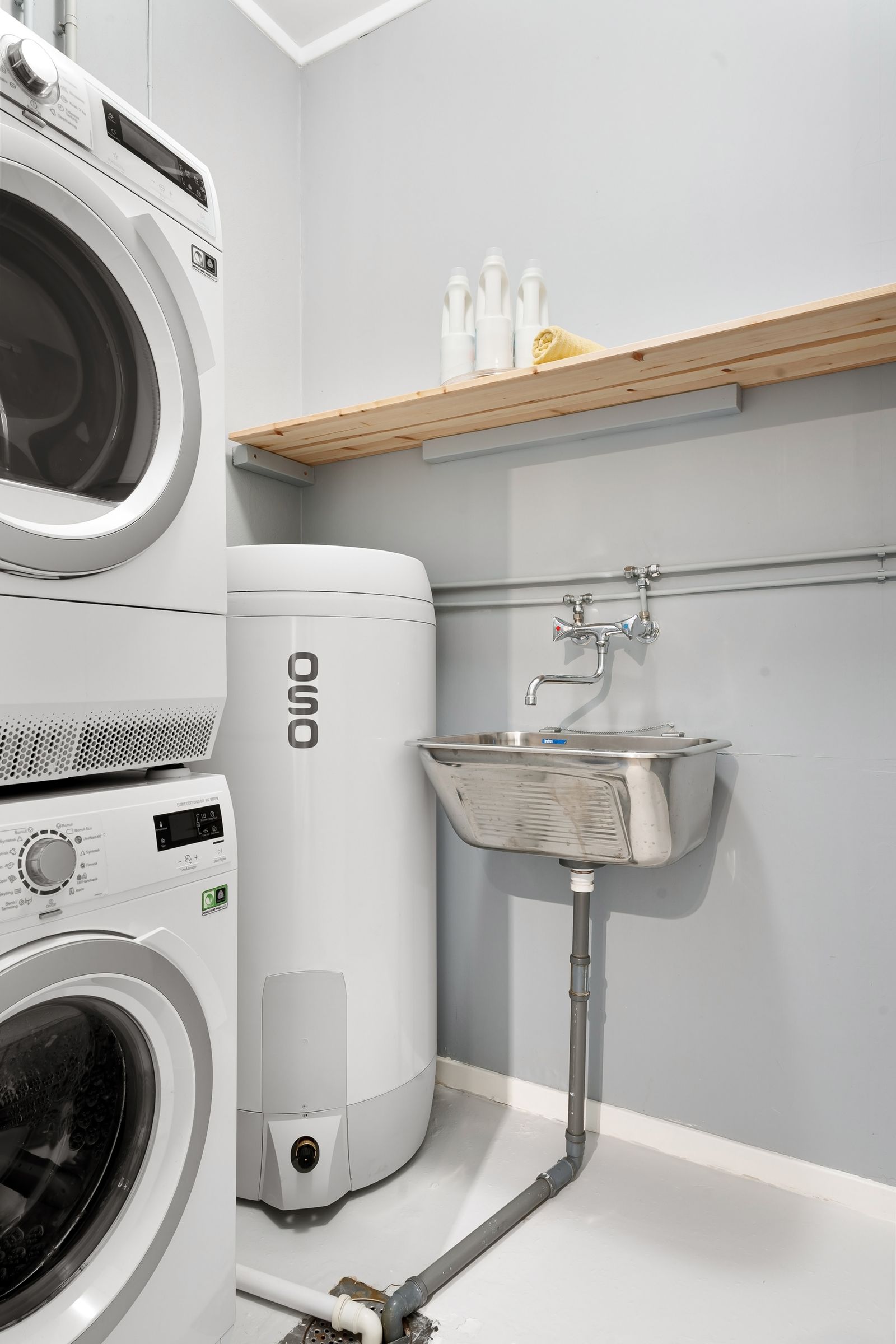
An electric water heater in Streamwood is less common than gas, but plenty of homes have one, often where there is no gas at the heater location or in some condo and townhome units. Electric tanks are mechanically simple, which is good news when something fails: the cause is usually a part that can be replaced.
How an electric water heater works
Most residential electric tanks have two heating elements, one near the top and one near the bottom, each controlled by its own thermostat. The upper element heats first; once the top of the tank is hot, control switches to the lower element. A high-limit switch with a red reset button cuts power if the water gets too hot. Cold water enters through the dip tube to the bottom, and hot water leaves from the top.
Because the elements heat slower than a gas burner, electric tanks have a lower recovery rate. That is why sizing matters so much: an undersized electric tank runs out sooner and takes longer to come back.
Electric water heater element replacement and thermostats
Elements and thermostats are the usual repairs, and electric water heater element replacement is one of the most common jobs on these units. Signs point to which part has failed:
- No hot water at all often points to the upper element, its thermostat or the high-limit switch.
- Some hot water that runs out quickly often points to the lower element or its thermostat.
- Water that gets too hot points to a thermostat stuck on.
The tech isolates power and tests each part with a meter before replacing anything. These heaters run on high voltage, so there are no DIY steps here, and the access panels should stay on.
Electric water heater not heating or running out of hot water
If your tank has stopped heating completely, the tech checks power to the unit, the high-limit reset, the upper element and its thermostat. If the problem is hot water that fades fast, sediment is a frequent cause in Streamwood: moderately hard water leaves minerals that settle on the bottom and can bury and burn out the lower element. A broken dip tube mixing cold into the hot is another. Our no hot water guide covers the broader list.
Why the reset button keeps tripping
The reset is a safety device, and a trip means something made the water too hot. A thermostat stuck closed, a grounded element or a wiring fault are common reasons. Pressing reset over and over hides the problem, so call instead. If the tripping is in the electrical panel rather than at the heater, that may be electrician work, and the tech will say so.
When you call, mention whether the heater has one element or two if you know it, and whether the breaker or the heater's own reset has tripped. Those details help the tech prepare.
That's a symptom worth a proper diagnosis. Call and describe it.
Heat pump water heater as a replacement option
A heat pump water heater, sometimes called a hybrid, uses a small heat pump on top of the tank to move heat from the surrounding air into the water, with standard elements as backup. It can be a good replacement for an electric tank, but it is not right everywhere:
| Question | Why it matters |
|---|---|
| Is there enough space and air? | The unit draws heat from room air and needs space around it. |
| Where does the condensate go? | It produces water that must drain to a safe spot. |
| Is it near bedrooms? | The fan and compressor make some noise. |
| Does the space stay warm enough? | An unheated garage in an Illinois winter is a poor location. |
In basements west of Route 59, there is often room for one. In a tight main-floor closet, it may not fit. The pro will tell you plainly.
Repair vs replace on an electric unit
If an element or thermostat has failed and the tank is sound, repair is usually the sensible choice. If the tank is leaking or badly corroded, replacement is the answer, and our water heater installation page explains how a new unit is chosen and fitted. Some homeowners replacing an electric tank also ask about a tankless water heater; whole-house electric tankless needs a lot of electrical capacity, which the pro will discuss honestly.
Where electric heaters sit in Streamwood homes
In townhomes and condos, electric heaters often sit in a utility closet off a hallway, sometimes above another unit. In older east-side ranches, the heater is usually in a main-floor laundry closet. In the two-story homes west of Route 59, most heaters are gas in the basement, but some homes have electric. Our notes on water heater repair in Sterling Oaks and water heater repair in Emerald Hills cover those newer basement homes, and regular water heater maintenance helps electric tanks deal with sediment.
Signs an electric heater is on its way out
Electric tanks often give plenty of warning before they quit. Hot water that runs out a little sooner each week usually means the lower element is struggling or buried in sediment. Water that is suddenly scalding points to a thermostat that is no longer switching off. Popping or hissing from the tank can be sediment or scale on an element. Rust in the hot water, or damp at the base, is the tank itself.
If you notice any of these, describe them on the phone. A failing element is a modest repair; a corroding tank is not worth fixing, and the tech will tell you which you have before you spend anything.
Winter makes all of this more noticeable. Colder incoming water means an electric tank, which already recovers more slowly than gas, takes longer still to reheat. If the problem only appears in cold months, mention it on the call.
Ask whether a heat-pump unit could suit the space.
For an overview of every service, see water heater repair streamwood.