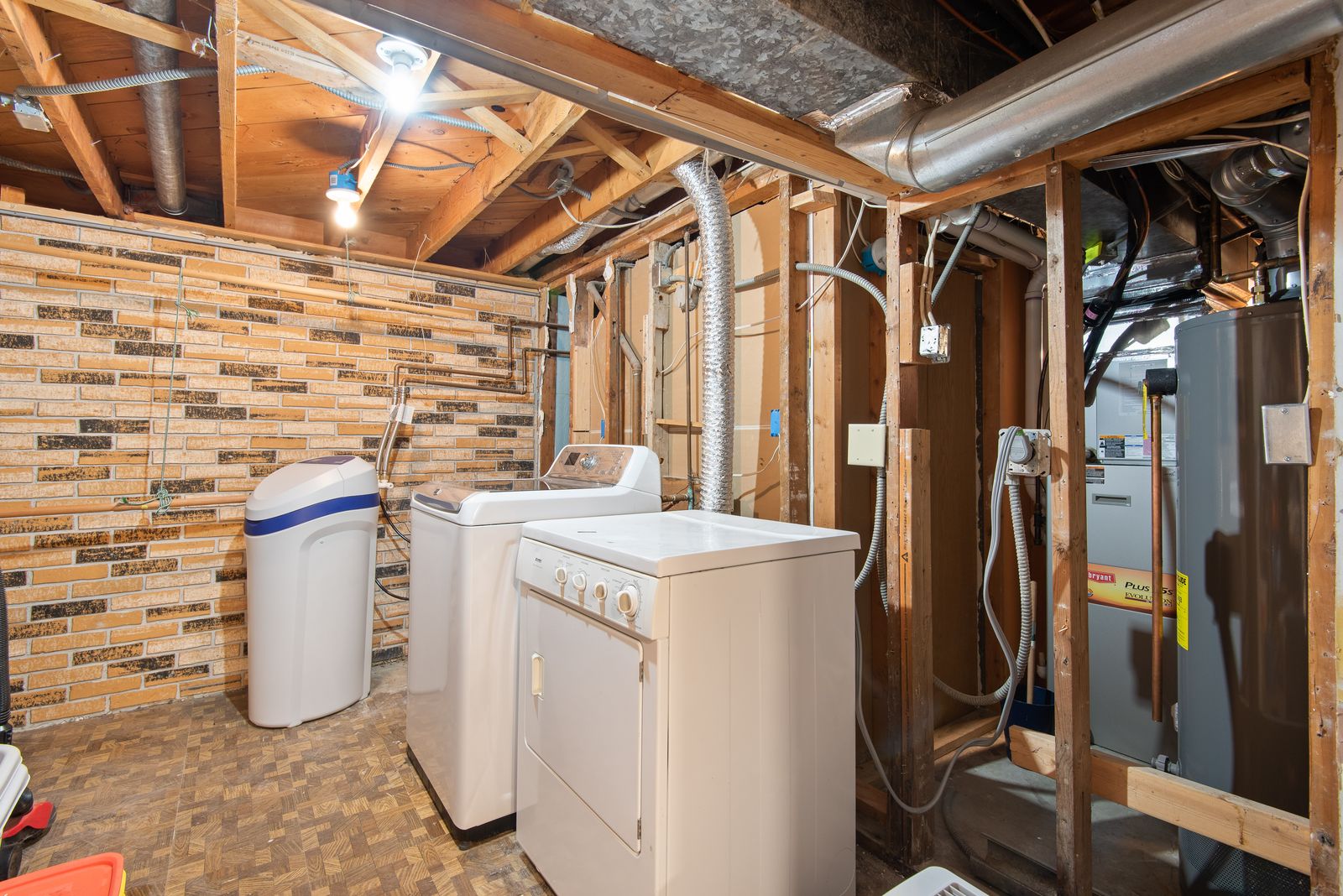
A leaking water heater in Streamwood needs attention quickly, because a small drip can turn into a soaked closet floor. Do the safe steps above first, then call. The local pro you reach can tell you on the phone how urgent it sounds and dispatch a tech, same day where available.
This page explains where the water could be coming from, which leaks can be repaired and which mean the tank has failed, and how to protect your floors while you wait.
What to do right now with a leaking water heater
Start with safety, then damage control. If you smell gas at any point, leave the home and call the gas utility and 911 from outside. Do not stay to deal with the leak.
If there is no gas smell, look for the cold-water inlet valve on the pipe at the top of the heater. If you can reach it without stepping in hot water or touching anything electrical, close it. That stops more water from entering the tank. Water already in the tank may still drip out, and it can be very hot.
Keep children and pets away, put down towels, and move boxes and anything valuable off the floor. Leave the rest to the technician. Opening the relief valve, draining a hot tank or working near electrical controls in a wet area can make things worse.
Water around the water heater: where is it coming from?
Not all water around water heater bases means a failing tank. The tech works from the outside in:
- Supply fittings on top: the hot and cold connections can loosen or corrode and drip down the side of the tank.
- Temperature and pressure relief valve: water running from its discharge pipe means the valve is opening, either because it is worn or because pressure or temperature is too high.
- Drain valve near the bottom: a worn or partly open drain valve can drip steadily.
- Condensation: a new tank or a cold inlet on a humid day can sweat, especially on gas units, and it can look like a leak.
- Nearby pipes or appliances: a washer hose or a pipe above can drip onto the heater.
- The tank itself: water seeping from the bottom seam or the body, often with rust.
| Where the water appears | Likely source | Usually |
|---|---|---|
| Top of the tank, running down | Supply fittings or connections | Repairable |
| From the side discharge pipe | Relief valve or excess pressure | Repairable, pressure checked |
| At the drain valve | Worn drain valve | Repairable |
| Under the tank, no other source | Water heater leaking from bottom | Tank failure, replace |
Relief valve leaking: why it matters
The temperature and pressure relief valve is a safety device. It opens to release water if the tank gets too hot or the pressure climbs too high. A relief valve leaking can mean the valve itself is worn, or it can be a sign of a real problem such as high water pressure, a missing or failed expansion tank, or a thermostat running too hot.
Never cap or plug the discharge pipe and don't try to test the valve yourself. The technician checks pressure and temperature to find out why the valve is opening, not just whether it can be replaced.
Keep towels down and call now. A person answers 24/7.
Leaks that can be repaired vs a tank that has failed
Fittings, nipples, drain valves and relief valves are parts, and parts can be replaced. A water heater leaking from bottom seams or through the body is different. Once the steel inside the tank has corroded through, it can't be patched, and replacement is the only safe answer.
The tech confirms which one you have before saying anything about price. If a part is the problem, you get a repair quote. If the tank has failed, you get replacement options and the upfront price for each.
Protecting floors, closets and ceilings below
Where the heater sits in Streamwood makes a big difference to the damage a leak can do. In the original east-side ranches, many heaters sit in a main-floor utility or laundry closet with flooring right up to the door. In townhomes and condos in the central part of the village, a unit can sit above a neighbour's ceiling. In two-story homes west of Route 59, the heater is usually in the basement, where water can soak carpet or stored boxes. Our area notes on water heater repair in Sterling Oaks and water heater repair in Emerald Hills cover those newer basement homes.
Dry the area as you can, open the closet door for air, and photograph the damage for your records.
Replacement after a tank leak
If the tank has failed, the pro talks you through a replacement: the same type and size, or a change based on how your household uses hot water. A gas water heater is the most common replacement here, but an electric water heater or a heat-pump model can make sense in some homes. If you have no hot water at all after shutting the supply, that is expected, and our no hot water guide explains other causes if the leak turns out to be elsewhere.
Drain pans and leak alarms
A drain pan under the heater, piped to a floor drain or another safe spot, catches slow leaks before they reach the floor. A simple water alarm on the floor beside the heater can warn you early. Both are worth asking about when a new heater goes in, especially in closets and upper-floor units.
Tell the person on the phone. It helps decide how urgent the visit is.
For an overview of every service, see water heater repair streamwood.